Invest in relationships and watch the ripples spread
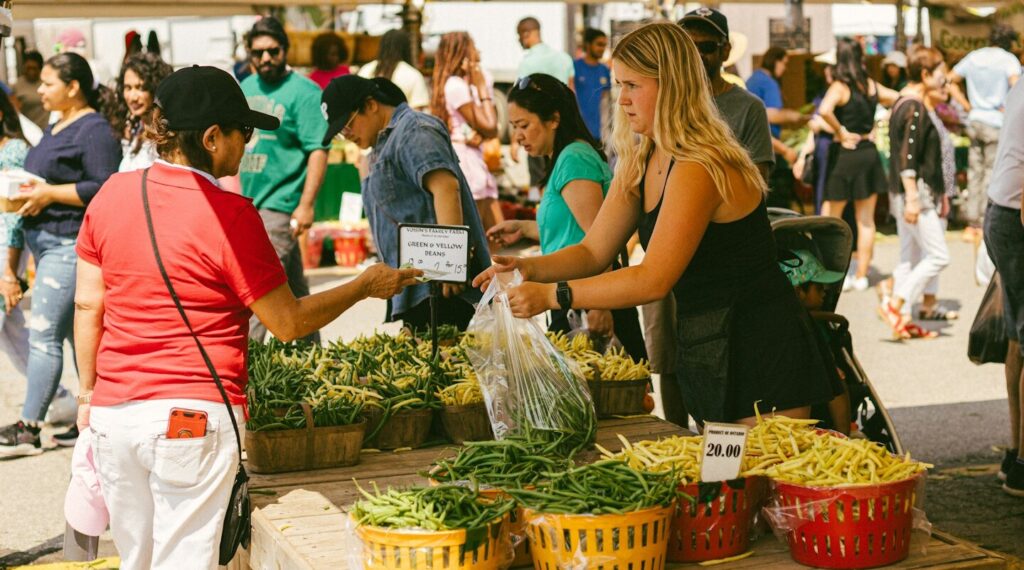
In southern Europe, where I come from, gathering around the table for a meal is a commitment. You debate with family and any strangers who happen to join you. It is both a journey for the taste buds and an exercise in squeezing together to make room for one more chair. It is not always idyllic. Anyone who has survived an Italian Sunday lunch knows that the real negotiations happen somewhere between the pasta and the second course. Yet it builds trust, and if you make it to dessert, the deal is sealed.
Work on food systems needs more tables like that. Most organisations working to transform food systems agree on the broad direction: healthier diets, a fair deal for farmers, companies that answer for what they sell. Climate, health, farming, animal welfare and justice groups each hold part of the answer, but mostly work in their own lanes. They often find themselves in competition to promote their vision and secure the resources to bring it to life. The result is a field full of energy and ideas but fragmented, and more fragile than it should be as the backlash against sustainability grows.
What can turn those differences into a strength is relational infrastructure: the spaces, time and people that let organisations build trust across sectors, develop strategy together, and feel less alone doing it. This work is essential and heavily underfunded. While philanthropy mostly funds projects, one grant at a time, the coordination work that holds it together is usually overlooked and under-resourced.
As a European regranter, Healthy Food Healthy Planet’s (HFHP) mission is to make diets that are healthy, sustainable and justly produced the best option for people and the planet. Aware of the shortcomings of silver bullets and siloed solutions, we were intentionally conceived with the ambition of supporting better collaborations, unlikely alliances and greater cohesion in the ecosystem of civil society organisation working to change food systems. No single organisation can change what a continent produces and makes affordable, desirable for people to eat, and funding that only backs separate projects and sectors ends up reinforcing the very lanes the field is stuck in. We wanted to test and learn from a different way of doing things.
That choice shapes how we work and how we engage with power. In 2023 we replaced our funder steering committee with what we call the Kitchen Table: a diverse group of civil society and funder representatives who carry equal weight and help the core team steer and decide on where the resources are invested based on a strategy co-created with civil society.
We hoped it would work like that Italian lunch. No bad ideas. Different perspectives, beliefs and theories of change. Kindness towards one another, and the respect to hear each other out until the very end. A shared commitment to find common ground and make decisions that maximise win-wins and minimise trade-offs. Never a zero-sum game. It doesn’t always look like that, and decisions can take longer. But they are made with people who know the field, and that changes what gets funded.
True participation does not end there and for us it goes beyond putting diverse people in our steering committee. Building relational infrastructure means resourcing how we work together and not just what we do. It means investing in spaces to connect and build trust, building a practice of meeting, learning and deciding together, giving partners a real say in what happens next.
At our last annual forum, the illustrator capturing the discussions wrote one line in large letters across the wall: our power is not money, it is the strength of our relationships. Investing in relational infrastructure means taking people out of their own countries and sectors to see how others tackle the same problems, anchoring ourselves and our respective organisations in the belief that it’s through co-created strategy that we can successfully address the challenges we face.
This can mean funding collective actions that only exist if several organisations design and govern them together; running convenings and learning journeys that are designed around needs emerging from the field all the while creating the conditions in which better conversations can be had. Also, people in the third sector are tired. Spaces held with that intention make room for reconnection and depth. When the work is this hard, feeling less alone in it is what keeps people going.
And then there are the ripples. The trust built through participatory and collective grants, through learning journeys and sector retreats, travels further than we can plan for. Organisations that first met over dinner at a convening have gone on to design joint campaigns together. Others have changed how they work and how they show up and now start every campaign by asking who their allies could be. It is a question of contribution rather than attribution, and that is how separate organisations slowly become a coordinated ecosystem. Not every collaboration works, and none can be forced. For a funder, investing in relationships means accepting results that are slower, harder to measure and hard to claim credit for.
Regardless of the sector in which philanthropic organisations work (democracy, migration, climate and environment, etc.) the problems are too big for any one group and we need all hands on deck. Uncoordinated hands, though, just give you a well-meaning game of tug of war. Money can buy a project. Only relationships and trust can build a strong ecosystem able to withstand shocks and address systemic challenges. Set the table, make room for one more chair, and stay for dessert.
Authors